
Clásicos Literarios
Challenge
Design the visual identity of an editorial collection through coherent and visually striking covers.
Result
A strong visual identity was developed for an editorial collection, using a consistent graphic system in style, typography, color, and illustration. The covers visually reflect the content and tone of each book, maintaining unity across the series while adapting to the unique aspects of each title. The design stands out for its visual impact, clear concept, and the intentional use of visual rhetoric to enhance the message of each cover..
Programs
- Adobe Photoshop
- Adobe InDesign
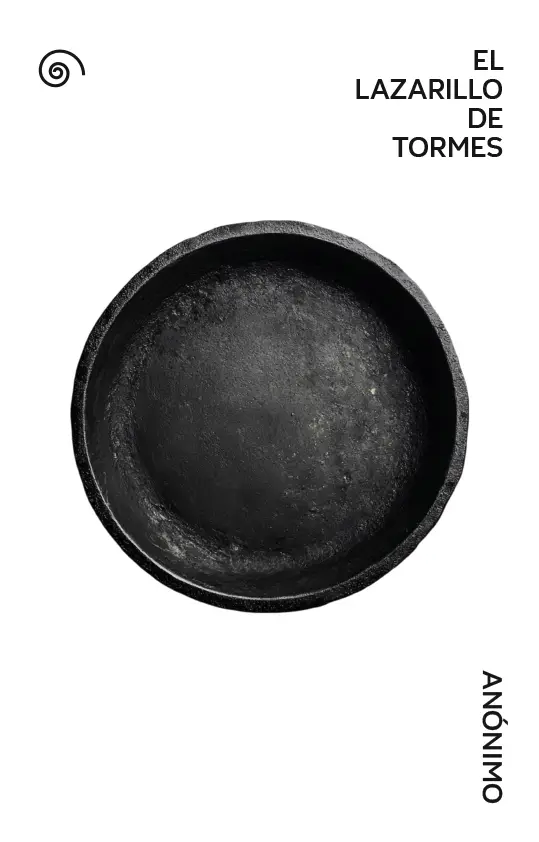
El Lazarillo de Tormes
For the cover of The Life of Lazarillo de Tormes, I chose to use a clay plate as the main element. This simple object represents the hunger and poverty that the main character experiences throughout the story. Clay is a humble, everyday material that reflects the hard living conditions of the time. The lack of cutlery also shows how, in the 16th century, poor people often ate with their hands. This detail highlights the harsh reality and daily struggle for survival that defines Lázaro’s life.
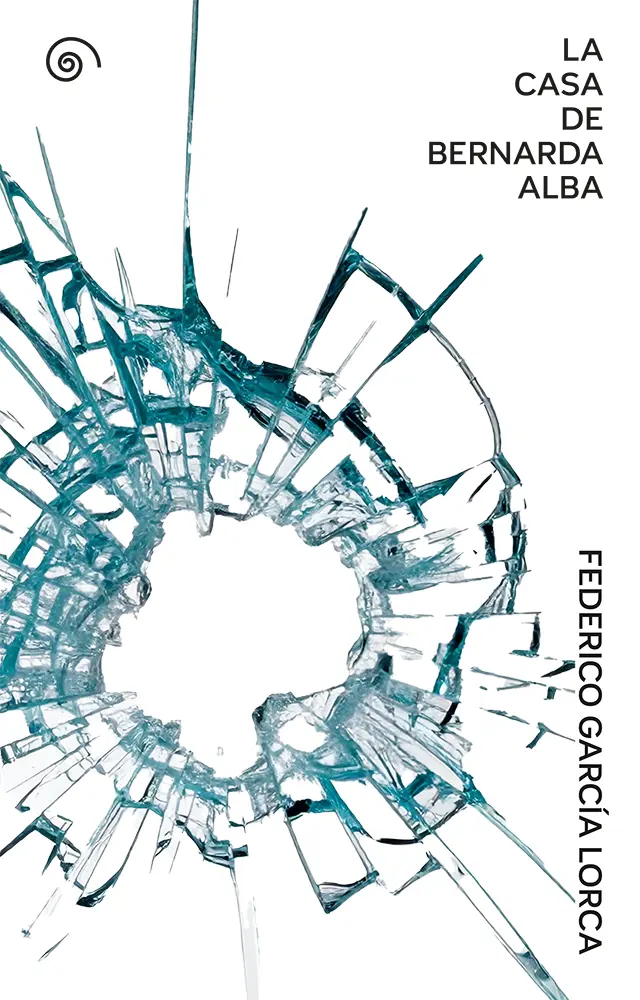
La Casa de Bernarda Alba
For the cover of The House of Bernarda Alba, I chose to use broken glass as the central element. This visual symbol represents the fragility of imposed rules and the repressed desire for freedom among Bernarda’s daughters. Glass, often linked to the domestic and the feminine, becomes here a shattered barrier—a metaphor for the conflict between authority and longing. The cracks and fragments reflect the tension trapped inside the household, while also suggesting the painful and destructive possibility of escape.
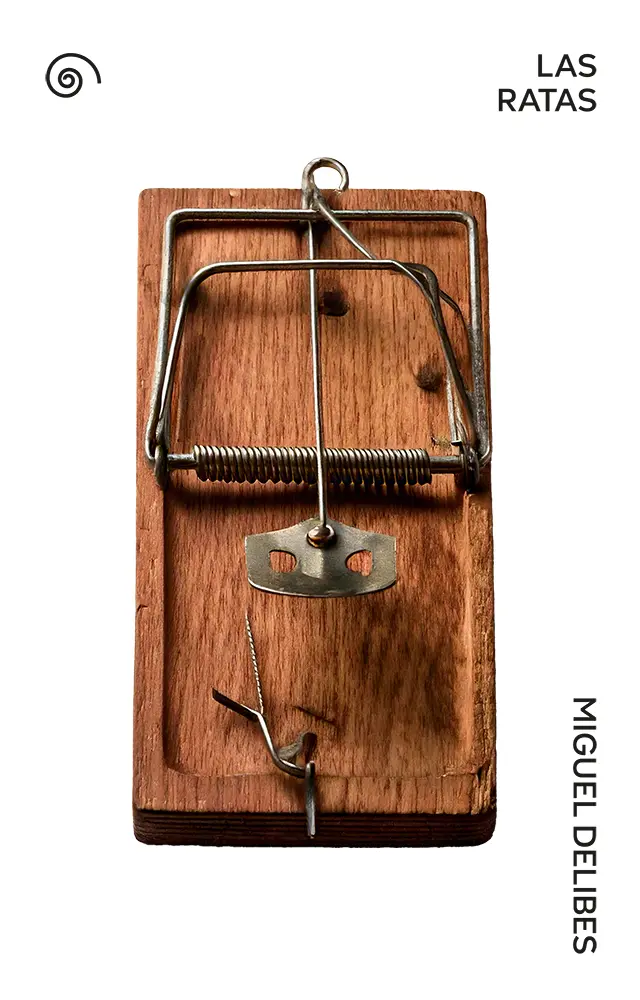
Las Ratas
For the cover of Las ratas by Miguel Delibes, I chose to use a rat trap as the central element. This visual symbol represents the constant struggle for survival faced by the characters in the novel. The trap, an object designed to capture and kill, becomes here a metaphor for the harshness of rural life and the social limitations imposed on the most vulnerable. Its presence suggests danger, scarcity, and the tension of living always on the edge. At the same time, it reflects the resilience and instinct needed to endure such a hostile environment. This image reinforces the bleak atmosphere of the novel and highlights the brutal reality that defines the daily life of its protagonists.
